
Is Cross-Platform Solution dead?
One of the recent impacts of the AI era is its effect on cross-platform solutions; many companies and even solo developers are starting to use native languages such as Swift for IOS and Kotlin for Android instead of relying on React Native or Flutter Recently, Shopify announced that it had fully switched to native Swift and Kotlin So what does the feature hold for cross-platform solutions? Will they continue to evolve, or is it only a matter of time before native development becomes the preferred choice over cross-platform development? What do u think?
Deutsch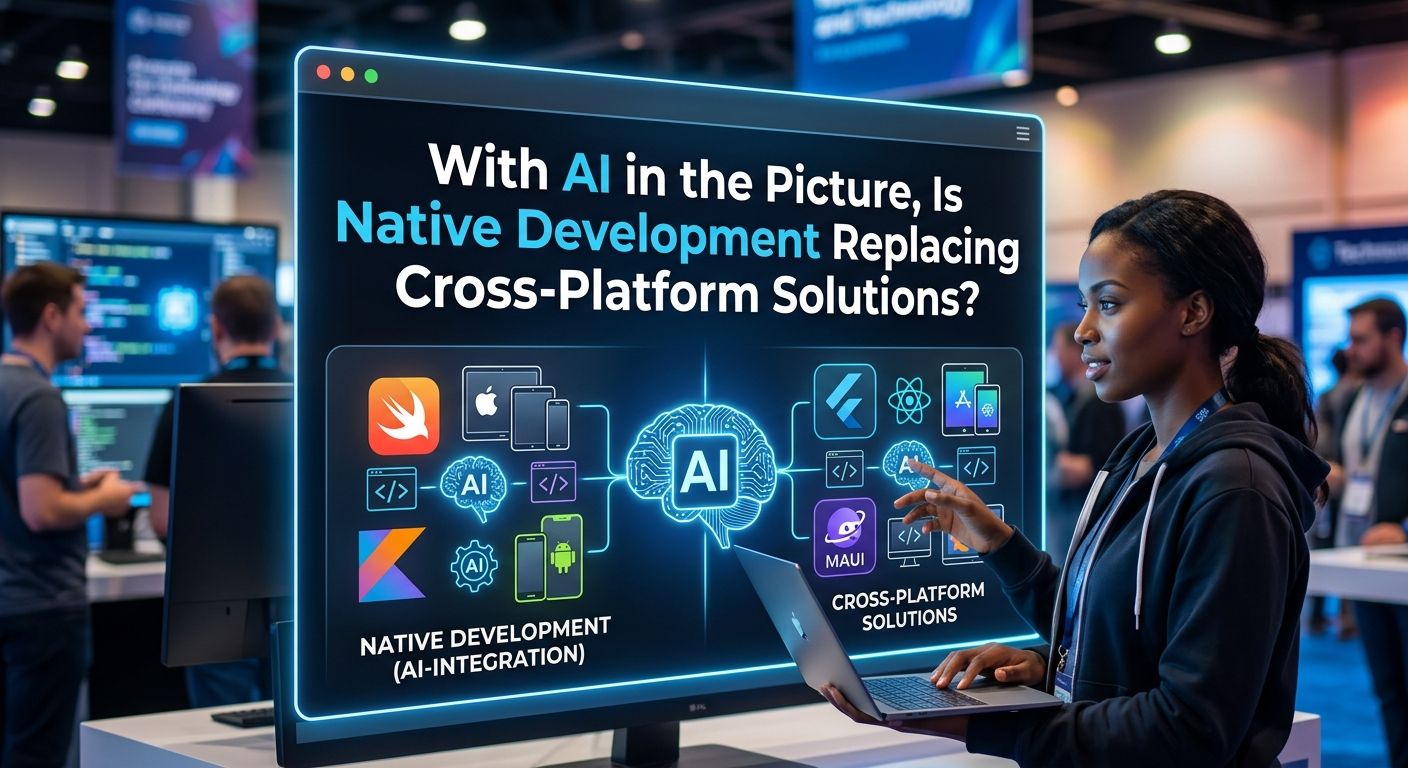
With AI in the Picture, Is Native Development Replacing Cross-Platform Solutions?
For years, cross-platform frameworks such as React Native and Flutter have promised a faster and more efficient way to build mobile applications. With one codebase, developers can target both iOS and Android, reduce development costs, and release products more quickly.
However, the rise of artificial intelligence is changing the economics of software development. AI coding assistants can now generate boilerplate code, translate logic between programming languages, create UI components, and help developers solve technical problems faster. As a result, the traditional advantages of cross-platform development are being reconsidered.
If AI can help developers write and maintain native Swift and Kotlin code more efficiently, does cross-platform development still have the same appeal?
The Growing Strength of Native Development
Native development offers direct access to each platform’s features, APIs, and performance capabilities. Swift allows developers to build deeply integrated iOS applications, while Kotlin provides a modern approach to Android development.
Native applications can also deliver a more consistent user experience. Each platform has its own design principles, navigation patterns, accessibility standards, and system features. Native development makes it easier to follow these guidelines and respond quickly when Apple or Google introduces new capabilities.
AI is making native development more accessible as well. Developers can use AI tools to generate repetitive code, explain unfamiliar APIs, create unit tests, and convert existing business logic into platform-specific implementations. This reduces some of the time and effort traditionally associated with maintaining separate iOS and Android codebases.
For companies that prioritize performance, advanced animations, hardware integration, or long-term platform stability, native development may become increasingly attractive.
Why Cross-Platform Development Still Matters
Despite these changes, cross-platform solutions are far from irrelevant. Their main advantage is not only writing code faster. They also provide a shared architecture, common business logic, unified development processes, and simpler coordination between teams.
For startups and small teams, these benefits can be extremely valuable. A cross-platform framework can help a company validate an idea, launch an MVP, and reach users on both platforms without immediately investing in two separate teams.
Cross-platform technologies have also matured significantly. Modern frameworks offer strong performance, access to native APIs, and the ability to write platform-specific code when necessary. In many applications—such as business tools, e-commerce platforms, content apps, and internal systems—the performance difference may be too small for users to notice.
AI can strengthen cross-platform development too. It can help developers generate shared components, write tests, identify platform-specific bugs, and maintain consistency across devices. In other words, AI does not benefit native development exclusively.
The Future Will Probably Be Hybrid
The debate is often presented as a choice between native and cross-platform development. In reality, the future is likely to be more hybrid.
A team may use a cross-platform framework for shared business logic and common screens while relying on native Swift or Kotlin modules for performance-sensitive features. Another company may choose native development for its primary product but use cross-platform tools for prototypes, internal applications, or secondary experiences.
The best approach depends on the product’s requirements, the team’s expertise, the target audience, and the expected lifespan of the application. There is no universal solution.
AI will reduce the cost of both approaches, but it will not eliminate the need for good technical decisions. Generated code still requires review, testing, security analysis, and long-term maintenance. Choosing a technology based only on how quickly AI can produce code may create problems later.
Conclusion
AI is not necessarily replacing cross-platform development with native development. Instead, it is reducing the development cost of both and making the trade-offs more visible.
Native development may gain popularity among companies that need maximum performance, deep platform integration, and precise control. Cross-platform development will remain attractive for teams that value speed, shared code, and efficient product delivery.
The future may not belong exclusively to native or cross-platform technologies. It may belong to developers who understand when to use each approach—and how to combine them effectively.
The real question is no longer, “Which technology is better?” It is: “Which technology is the best fit for this product, this team, and this stage of the business?”